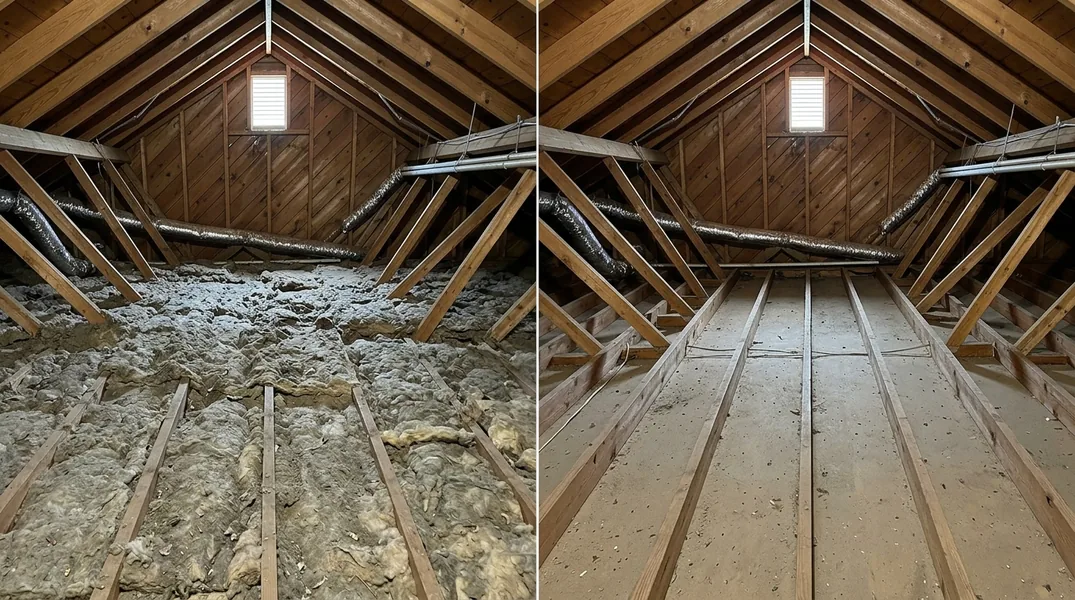
Do You Need a Permit for Spray Foam Insulation in Evansville?
One of the first questions homeowners ask when planning an Attic Spray Foam Insulation project is whether they need a permit. The answer depends on several factors, including the scope of your work, the type of foam being installed, and local building codes in Evansville. Generally speaking, most attic insulation projects in Evansville do require a permit, especially if the work involves structural changes, ventilation modifications, or if you're upgrading an older home that needs to meet current building standards.
Permits exist to protect you and your home. They ensure that the work meets safety codes, is performed by qualified contractors, and that your home remains insurable and retains its resale value. While the permit process might seem like an extra step, it's an investment in your home's integrity and your peace of mind. Before you hire a contractor, ask whether they handle the permit process or if you'll need to manage it yourself. Most professional spray foam companies in Evansville will manage permits as part of their service.
Open Cell vs Closed Cell Spray Foam: Which Requires Different Permits?
When choosing between Open Cell Spray Foam Insulation and Closed Cell Spray Foam Insulation, you'll want to understand how each type interacts with local building codes. The primary difference lies in their density, vapor permeability, and fire ratings. Open cell spray foam is lighter and more flexible, making it ideal for interior applications where air sealing is the goal. Closed cell spray foam is denser and provides a vapor barrier, making it suitable for areas exposed to moisture or where maximum thermal resistance is needed.
From a permitting perspective, both types may require approval, but the specific requirements can vary. Closed cell spray foam typically has a higher R-value per inch, which some jurisdictions track more closely for energy code compliance. Open cell foam is more breathable and allows moisture to pass through, which can affect ventilation requirements in your attic. When you request a free estimate from a local contractor, ask them to explain how the foam type they recommend aligns with Evansville's building code requirements. This conversation will help you understand whether your chosen foam type will streamline or complicate the permitting process.
What Is the Closed Cell Spray Foam R Value and How Does It Affect Permits?
Understanding the closed cell spray foam R value is crucial when applying for permits, because many building codes now specify minimum R-value requirements for attic insulation. Closed cell spray foam typically delivers an R-value of 6.0 to 7.0 per inch, which is significantly higher than traditional fiberglass or cellulose insulation. This superior performance means you need less material to achieve the same thermal resistance, and it often satisfies or exceeds code requirements with a thinner application.
When the permit office reviews your project, they'll likely reference the International Energy Conservation Code (IECC) or Indiana's adopted building standards, which set minimum R-value requirements based on your climate zone. Evansville falls into a zone that typically requires R-38 to R-49 for attic insulation, depending on whether you're in a new construction or retrofit scenario. The high closed cell spray foam R value means your contractor can meet or exceed these requirements efficiently, which can actually speed up permit approval because inspectors see that you're exceeding minimum standards. Ask your contractor to provide documentation of the foam's R-value rating and how it meets local code requirements before submitting your permit application.
Key Questions to Ask Your Contractor About Permits and Code Compliance
Before hiring any spray foam contractor in Evansville, you should ask a series of specific questions about their permitting process and code knowledge. First, ask whether they handle all permit applications and fees, or if you're responsible for any portion of the paperwork. Second, inquire about their familiarity with Evansville's specific building codes and whether they've completed similar projects in your area recently. Third, ask for references from past clients who had permitted spray foam work done, so you can verify that projects were completed on time and passed inspection without issues.
You should also ask whether the contractor will provide a detailed energy audit or thermal imaging report before the work begins. This documentation can strengthen your permit application by showing that your home has specific insulation deficiencies that the spray foam will address. Additionally, ask about ventilation requirements. If you're installing spray foam in your attic, the building code may require soffit vents, ridge vents, or other ventilation strategies to prevent moisture buildup. A knowledgeable contractor will explain how their foam choice and installation method comply with these ventilation codes. Finally, ask about the inspection timeline. Most permits require at least one inspection during or after installation. Understanding when the inspector will visit and what they'll be checking helps you plan your project smoothly.
Understanding Local Building Codes and Ventilation Requirements
Evansville follows Indiana's building code standards, which incorporate national codes with state-specific modifications. One area where codes are particularly strict is attic ventilation. Traditional insulation like fiberglass batts requires continuous ventilation to prevent moisture accumulation, but spray foam changes this equation. Open cell foam is vapor permeable, meaning it allows moisture to move through it, so traditional ventilation may still be required. Closed cell foam acts as a vapor barrier and can eliminate the need for ventilation in many cases, though local codes may still mandate it for other reasons, such as protecting roof sheathing or preventing ice dams.
Before your permit is approved, the building department will want to see how your insulation plan addresses ventilation. If you're switching from traditional insulation to spray foam, your contractor needs to explain how the new system maintains code compliance. This is another reason why choosing an experienced local contractor matters. They understand Evansville's specific code interpretations and can design an installation that passes inspection the first time. If you're unsure about your home's current ventilation setup or how spray foam will affect it, contact Evansville Spray Foam Insulation at (930) 212-3276 for a professional assessment.
Attic Spray Foam Insulation Cost in Evansville: What to Budget for Permits and Installation
When budgeting for your spray foam project, remember that permit costs are separate from installation costs, though both should be factored into your total investment. Permit fees in Evansville typically range from $50 to $300, depending on the project size and complexity. Some contractors include permit fees in their overall pricing, while others bill them separately. The spray foam installation itself varies based on the type of foam (open cell or closed cell), the square footage of your attic, and the desired R-value. Closed cell spray foam generally costs more per board foot than open cell, but its superior R-value and moisture resistance often justify the investment, particularly in humid climates or for homes prone to moisture issues.
A typical attic spray foam project in Evansville might range from $1,500 to $5,000 or more, depending on your attic's size and the foam type selected. The permit process itself shouldn't significantly delay your project if your contractor is experienced and submits complete applications. Ask for a detailed estimate that breaks down material costs, labor, and permit fees separately. This transparency helps you understand where your money is going and makes it easier to compare quotes from different contractors. Don't let the permit process discourage you from moving forward. The long-term energy savings from proper insulation typically offset the upfront costs within a few years, and a permitted installation protects your home's value and your insurance coverage.
Looking for a professional spray foam insulation contractor in Evansville? Evansville Spray Foam Insulation responds fast for all your spray foam insulation needs.
Get a Free Quote